Qing Chang
  • Home
  • Research
  • Projects
  • Teaching
  • CV
  • Contact

Promotion Incentives, Political Competition, and Public Land Prices

A visual story about career pressure, land markets, and collective action

Political Economy
Land Markets
Working Paper
Author

Qing Chang

Published

January 28, 2025

Research Story

When promotion tournaments meet land markets

This project asks whether institutionalized promotion incentives can make authoritarian governance less stable by pushing local officials to intervene in land markets, generate distributional injustice, and trigger conflict with citizens.

600kresidential land transactions
2000-2015land market records
320city-level jurisdictions

Puzzle Market Design Conflict Theory

+

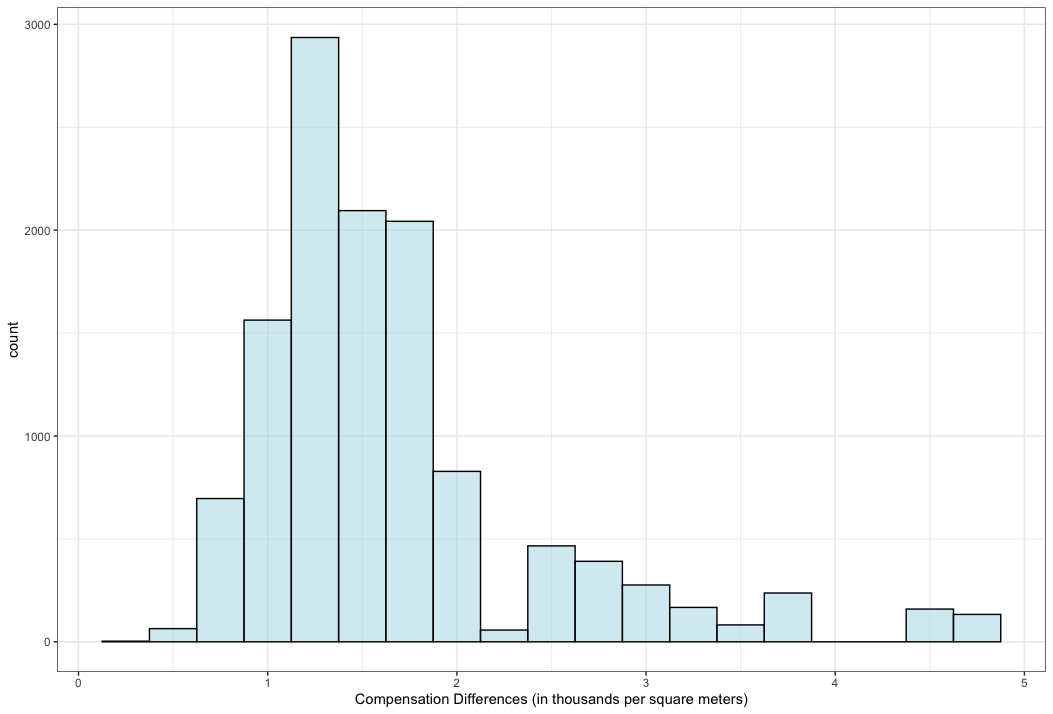
Compensation gaps among land-losing citizens show how market prices and compensation can diverge.

+

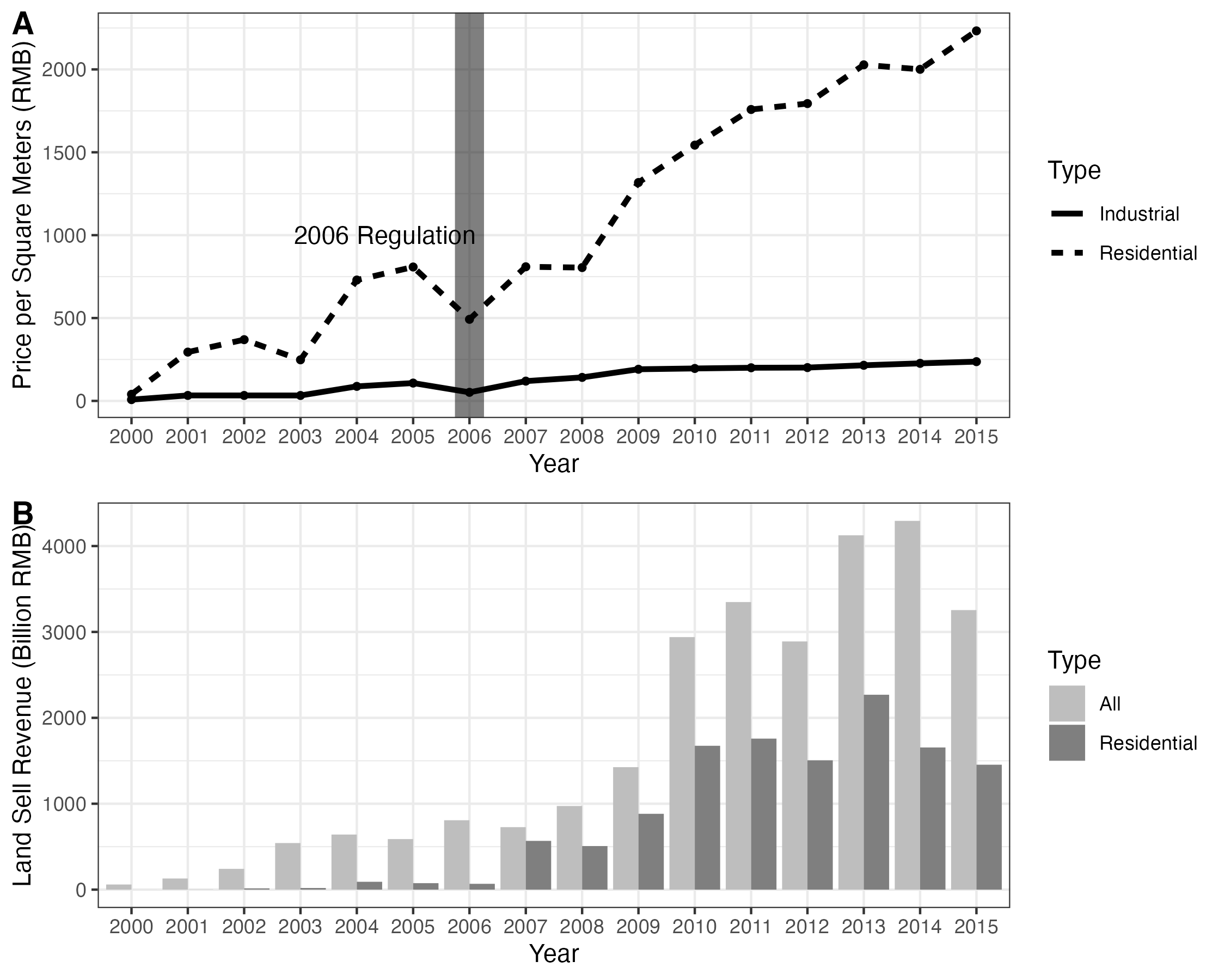
Residential land prices and land-sale revenues rose sharply after the land market became a major source of local government revenue.

+

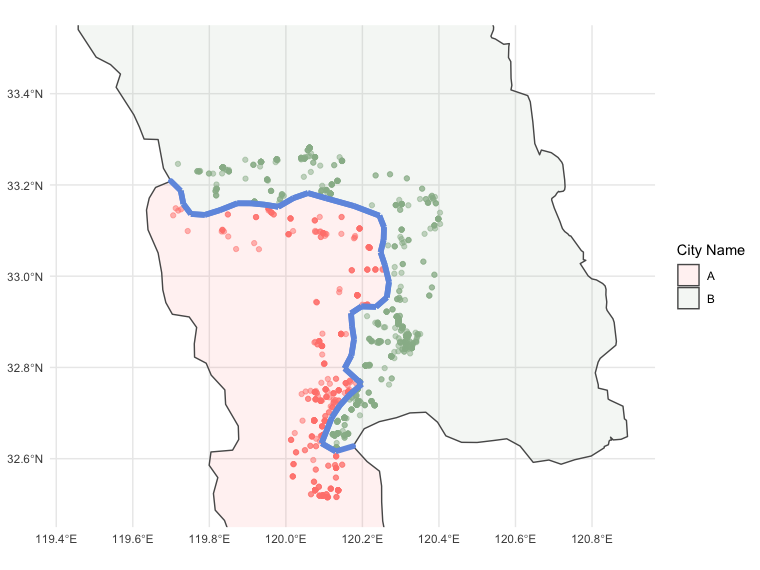
Cross-border comparisons help compare land transactions that are geographically close but governed by different local political incentives.

+

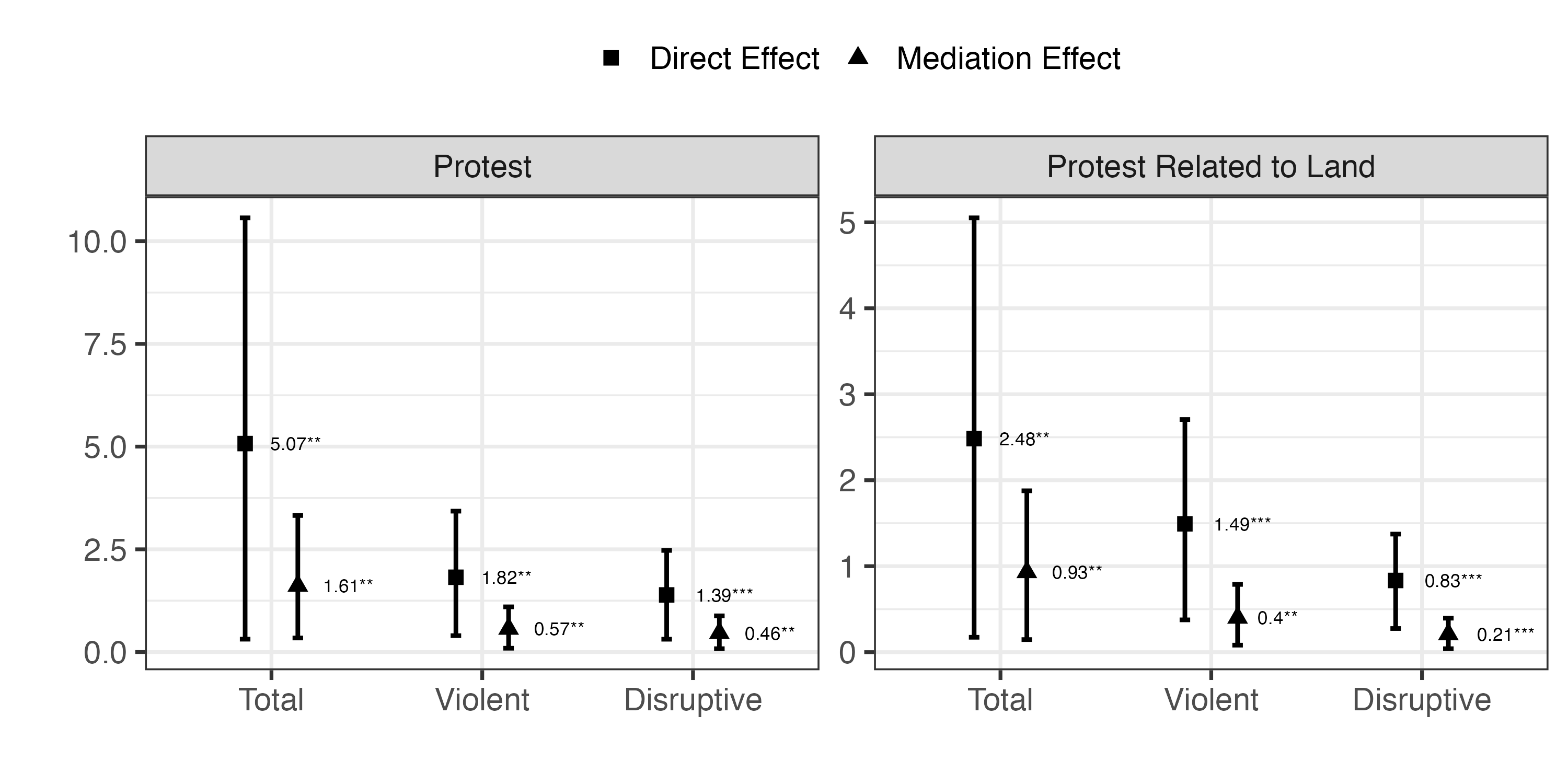
Career incentives are linked to protest, and land-price intervention is one channel connecting political incentives to collective action.

Connect elite promotion incentives to non-elite property-rights conflict.
Use large-scale residential land transactions to measure local price intervention.
Combine land records, leader biographies, protest data, and survey evidence.
Challenge the view that institutionalized promotion necessarily strengthens regime stability.
01
The puzzle

Promotion rules can discipline elites and still create grievances

Institutionalized promotion is often understood as a stabilizing force in authoritarian regimes. This paper turns that claim around: when career advancement depends on performance, local leaders may use policy instruments that strengthen their own prospects while imposing costs on citizens.

02
Land becomes the pressure valve

Residential land markets give career-seeking officials a powerful instrument

Local governments control land supply and receive large revenues from land sales. As residential land prices and revenues rise, land becomes more than a market asset: it becomes a political tool through which officials can pursue development goals and promotion-relevant performance.

03
A border design turns politics into comparison

Nearby parcels reveal how political incentives move prices

The empirical design compares land transactions across city borders. Parcels near the same border face similar geography and market conditions, but they are governed by different local leaders. That makes it possible to isolate how career incentives shape land prices.

04
From price intervention to protest

Career pressure travels through land prices into collective action

The paper links leader incentives to protest outcomes and shows that land-price intervention helps explain the relationship. The mechanism is political and distributive: citizens respond not only to land loss, but to the perceived injustice of how gains from land development are allocated.

05
Connect elite promotion incentives to non-elite property-rights conflict.
Use large-scale residential land transactions to measure local price intervention.
Combine land records, leader biographies, protest data, and survey evidence.
The theory

Elite stability can generate citizen-level instability

The contribution is a sharper account of authoritarian political economy. Promotion systems may solve one governance problem by managing elites, while creating another by incentivizing policy choices that intensify conflict between local governments and citizens.

© 2026 Qing Chang ∙ Made with Quarto.

License